Branding for Architecture Firms
Your firm does exceptional work. A generic brand undersells it every time someone looks you up.
( Why Architecture Firms Undersell Their Work )
Most architecture firms underdeliver on presentation, not work. The portfolio is strong. The website hasn't changed in years. The logo predates half the current project list. The messaging could describe any firm in the city.
Clients evaluate you online before they ever reach out. When the brand doesn't match the work, it creates doubt before a conversation starts.
( What is Architecture Firm Branding? )
Architecture firm branding is the work of making how your firm presents itself match the quality of what it designs. It covers positioning, identity, messaging, and the website and proposals that carry them. The goal is closing the gap between how good the work is and how good the firm looks to someone who hasn't met you yet.
For most firms, the problem isn't the portfolio. It's that the firm reads like every other practice in town until someone sits down with the principals.
( Signs Your Architecture Brand Is Behind )


( How We Brand Architecture Firms )
We approach every architecture branding project with creativity and strategy to shape work that feels unique to your firm. Each phase is designed to bring clarity and collaboration, ensuring your goals are front and center at every moment.
( What Architecture Firm Branding Includes )
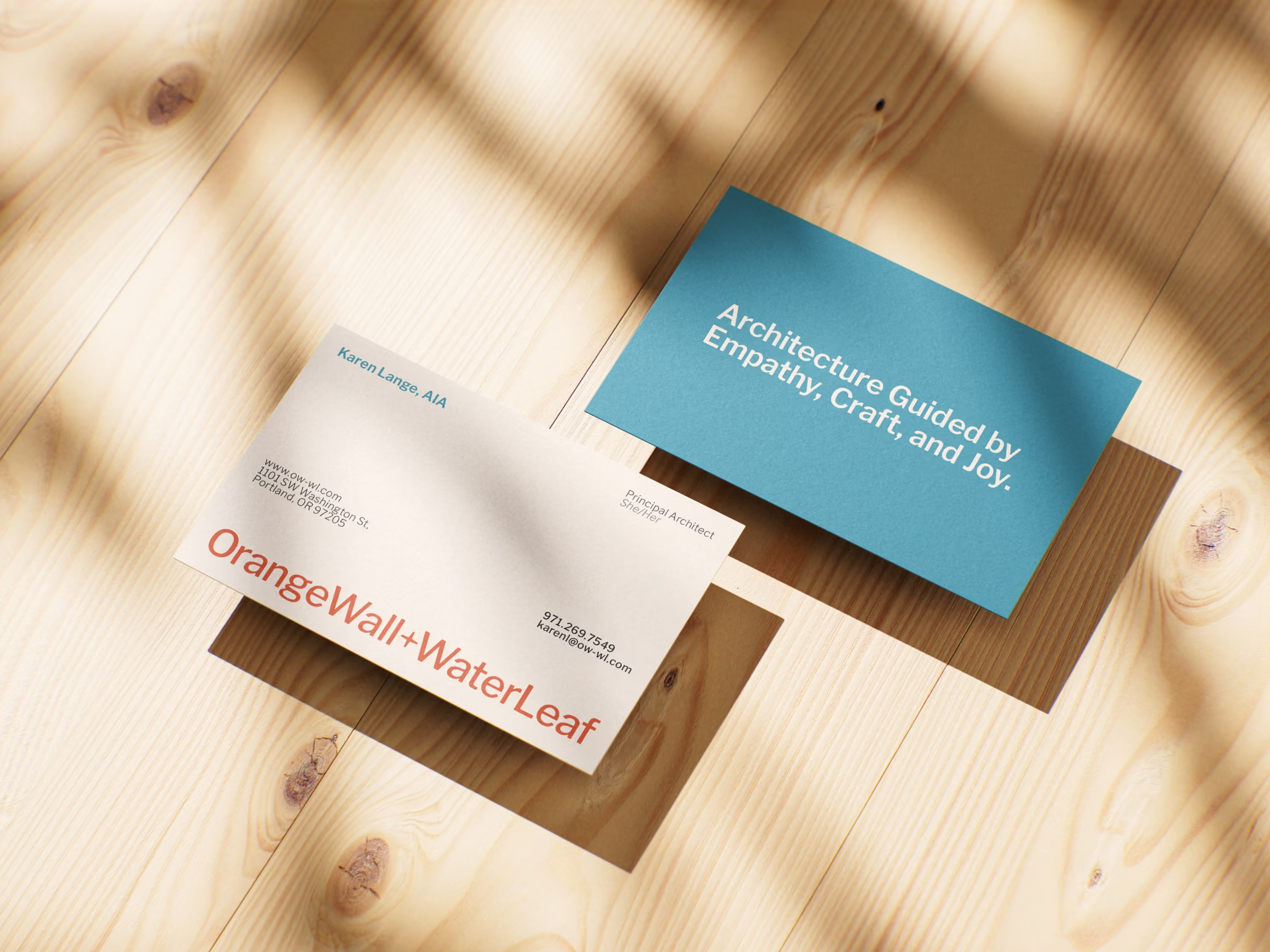
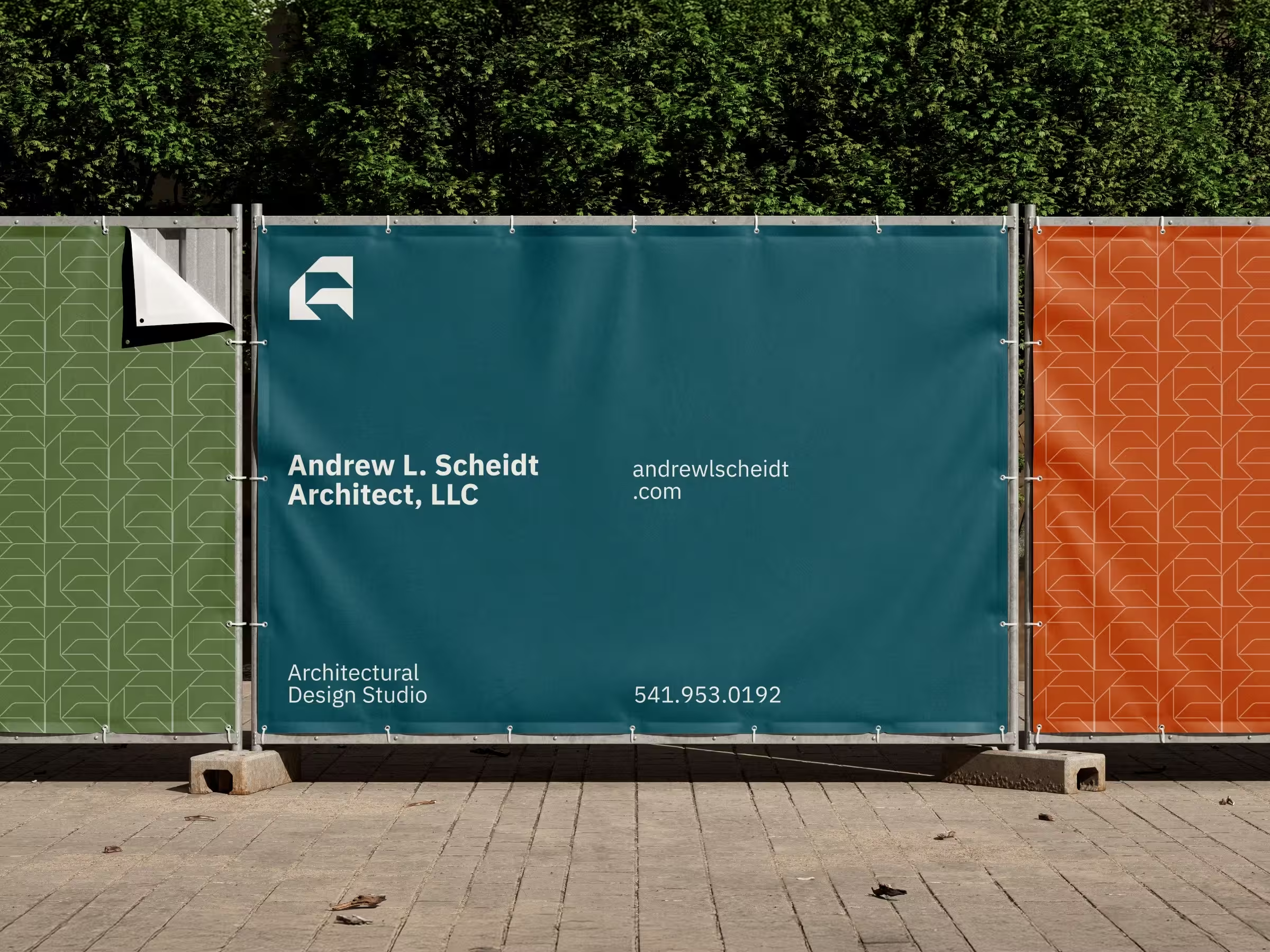
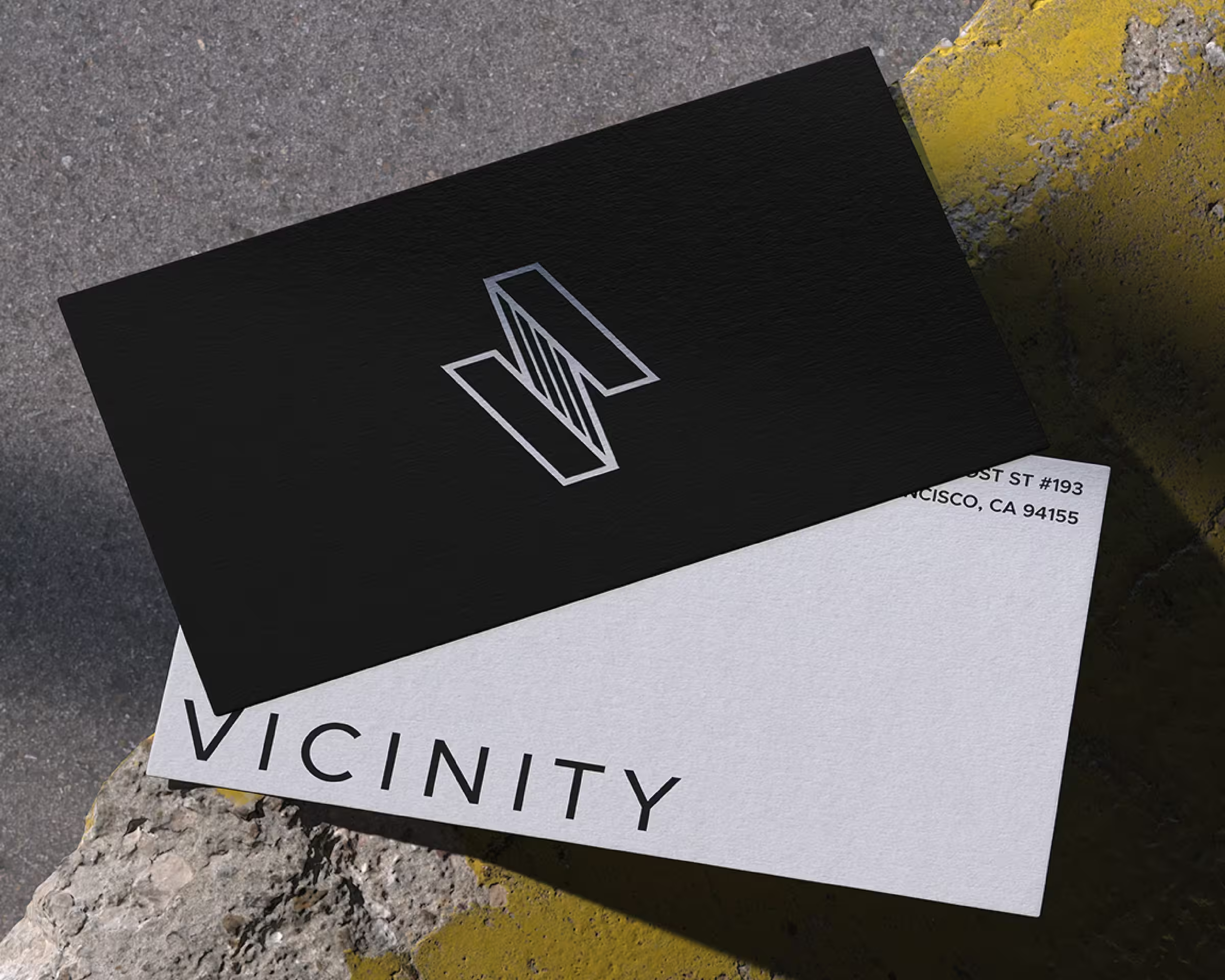
Most architecture firm brand identity engagements include logo design and systems, color palette, typography system, brand voice and tone, visual language, stationery, and a brand standards guide that includes usage direction for all assets. Engagements are customized to your growing architecture firm's needs and goals.
Architecture Brand Identity Design
( Branding From Inside the Profession )
Brad spent six years practicing architecture before founding Fairbuilt. That means we know how architecture firms actually win work: the difference between positioning for civic projects and developer-driven residential, what a strong RFP response needs, how firms get evaluated before a first conversation. You won't spend the engagement teaching us the industry.
( Architecture Firm Branding Questions )
How much does branding for an architecture firm cost?
Every project is scoped individually, but brand strategy typically falls between $4,000 and $12,000 and brand identity between $5,000 and $30,000. A small studio sharpening its identity lands near the low end. A multi-office firm carrying the brand across RFP responses, signage, and a new website lands near the high end.
How long does branding for an architecture firm take?
Brand strategy runs four to six weeks. Brand identity runs six to ten weeks. A full engagement covering strategy, identity, and a new website runs sixteen to twenty-four weeks.
How is branding an architecture firm different from branding other businesses?
Architecture firms are hired on judgment, not products. Clients pick a firm because they trust how it thinks, so the brand has to communicate a point of view, not a list of services. It also has to step back so the project work can lead.
Do small architecture firms need a brand strategy?
Yes, small firms usually get the most out of it. A five-person firm can't outspend larger practices, so it has to be clearer about who it's for. Strategy is how a small firm stops competing on fee for work it doesn't want.
How do you approach rebranding for a firm going through a principal succession?
Carefully, with explicit planning. An architecture rebrand during succession should feel like an evolution, honoring the firm's history while making room for incoming leadership. That balance gets addressed in strategy, not design.
Can branding help an architecture firm break into a new project type?
Yes, and it's one of the highest-value uses of this work. Positioning for a new project type means updating how the firm describes its experience and how the brand reads to a client type evaluating you for the first time.
What should I look for in an architecture branding agency?
Someone who understands how architecture firms are evaluated: RFPs, interviews, and the developer or owner checking your website before calling. Ask how their strategy phase works and whether they've worked with firms your size. More in our guide on how to choose an AEC branding and web partner.