Engineering Web Design
We make technical expertise legible to the clients evaluating it, and give the right prospects a clear reason to reach out.
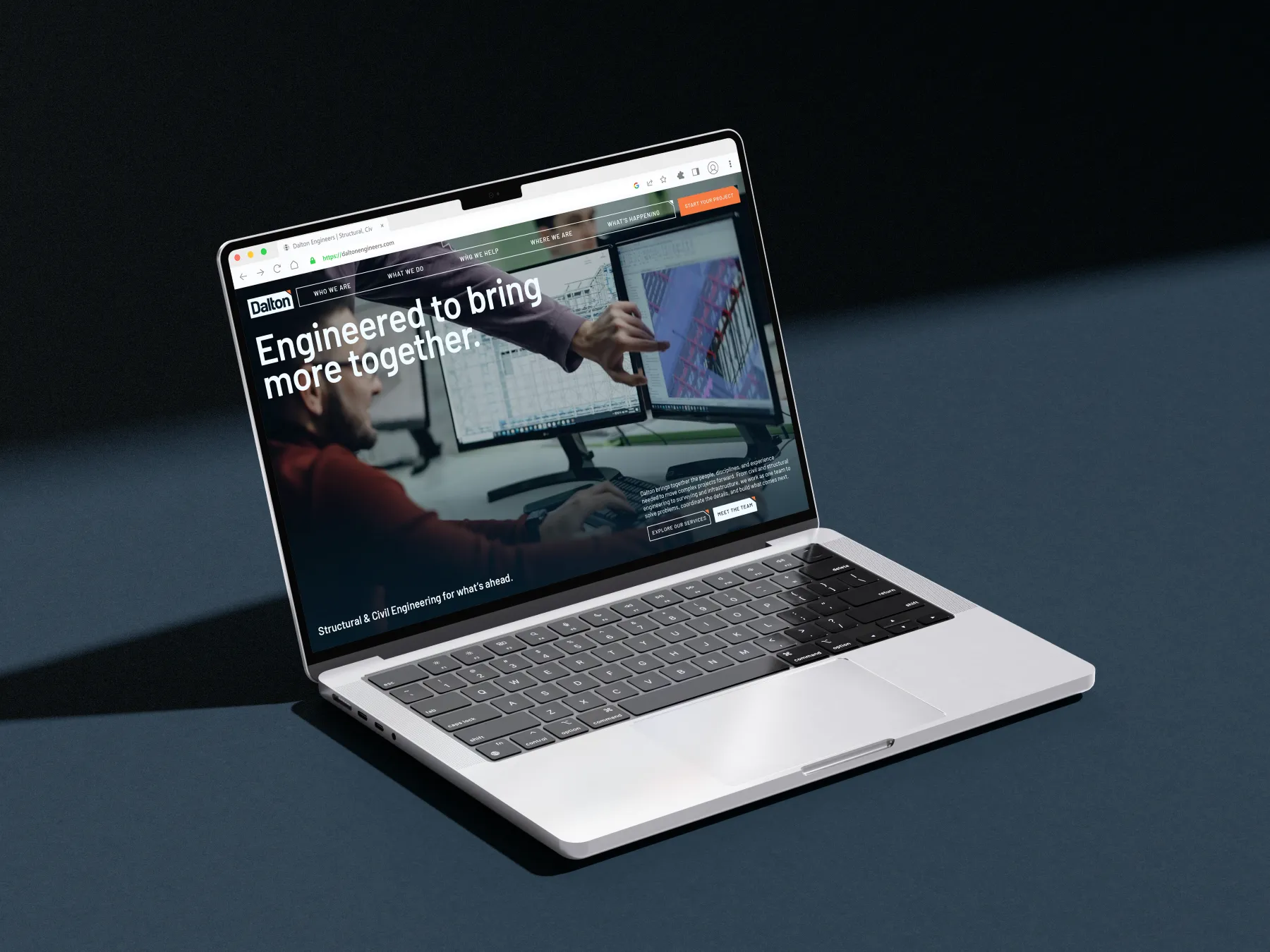
Most engineering sites lead with a service list instead of positioning, present projects with a name and a photo instead of scope and outcome, and read like they were written for other engineers rather than the non-technical decision maker often initiating contact.
Engineering web design has to do several things at once: communicate technical credibility, organize project experience for serious evaluation, position the firm clearly in a crowded field, and stay accessible to a non-specialist reader. Done well, it solves that by translating the work effectively, not by dumbing it down.


We approach every engineering website project with creativity with strategy. Each phase is designed to bring clarity and collaboration, ensuring your goals are front and center at every moment.
What sectors you serve and what distinguishes you, built into the homepage.
A reference system with scope, scale, and outcome, not a gallery.
Specific enough to be credible, accessible enough to be persuasive to both technical and non-technical readers.
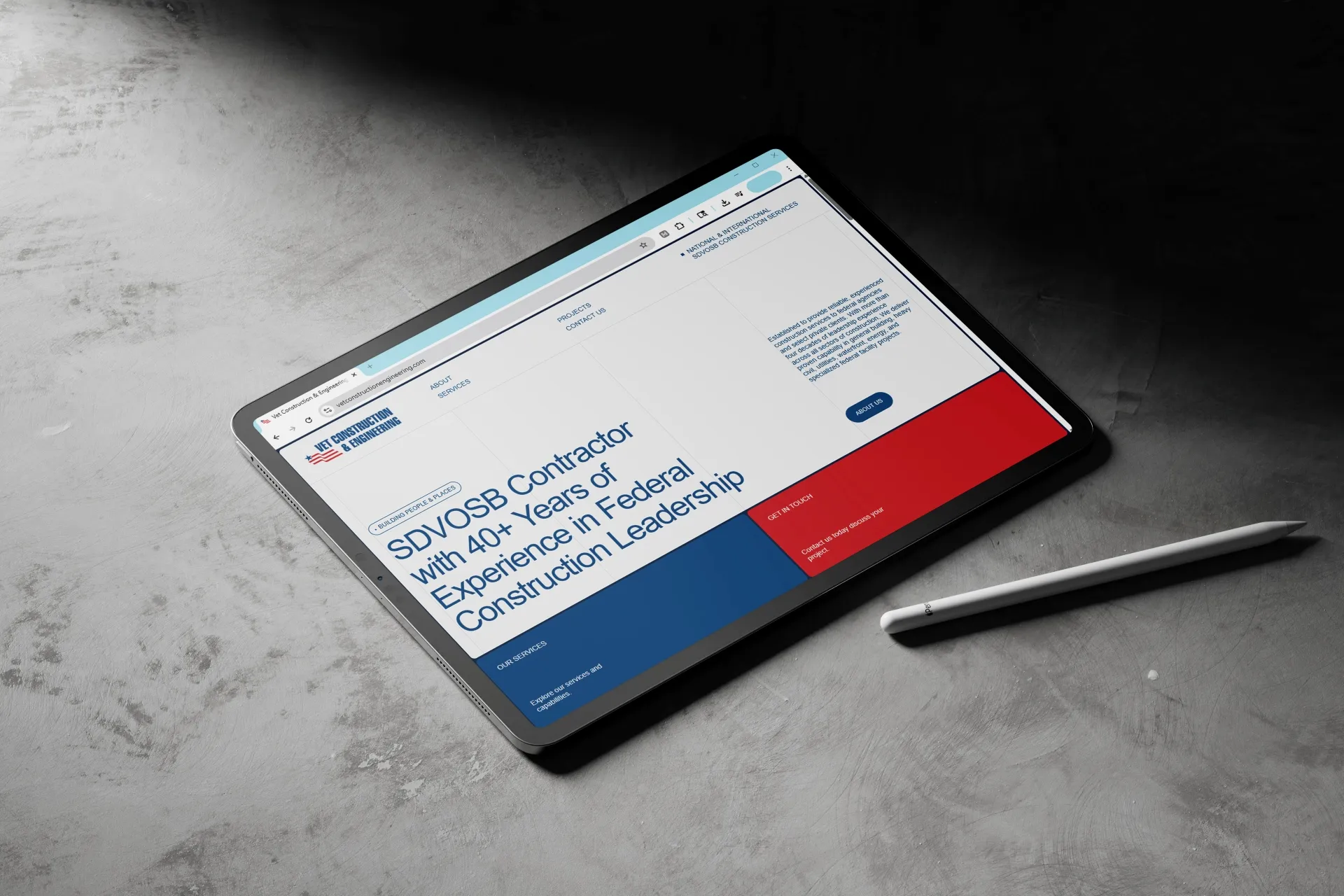
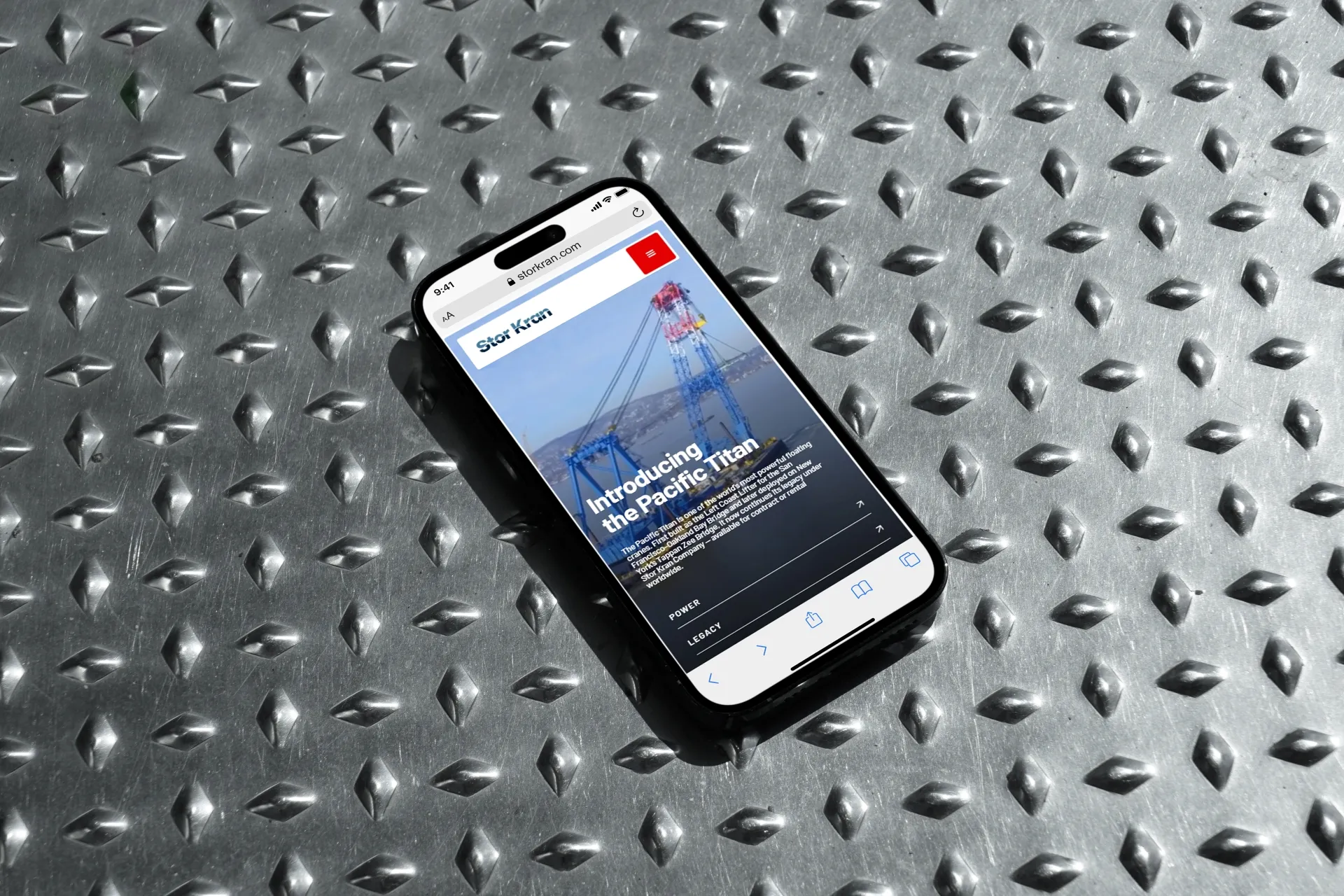
Brad worked alongside structural, civil, and mechanical engineers before founding Fairbuilt. We ask different questions in discovery because we understand how engineering project teams and consultant relationships actually work.
Your track record matters to people who already know you. Your website is what qualifies you to the people who don't yet, the developer comparing three firms, the procurement officer building a shortlist.
If your positioning is already clear, move directly into the web project. If there's uncertainty, strategy should come first.
We prefer Webflow for speed, a visual editor your team can use, and strong search performance. We'll build on whatever's right for your firm. We do it all.