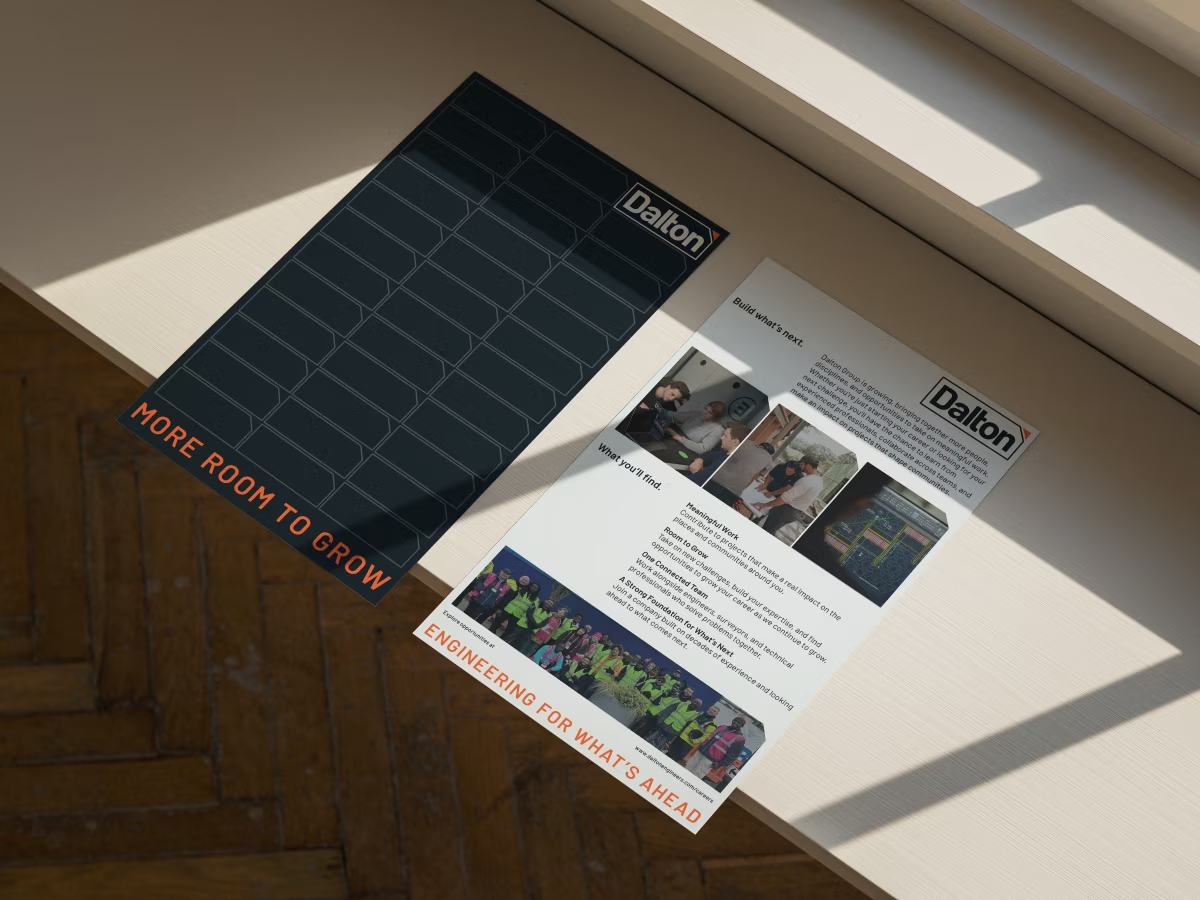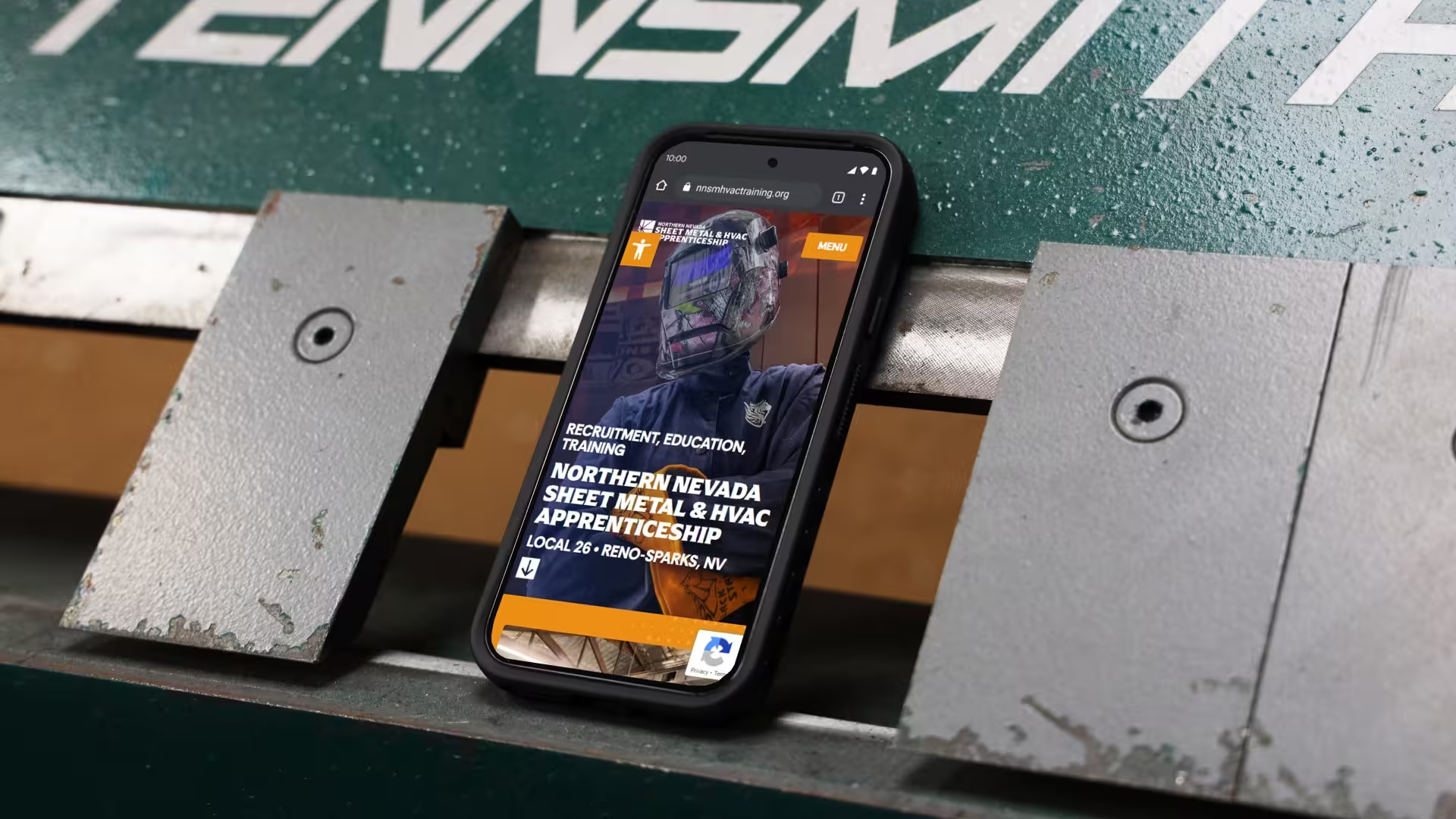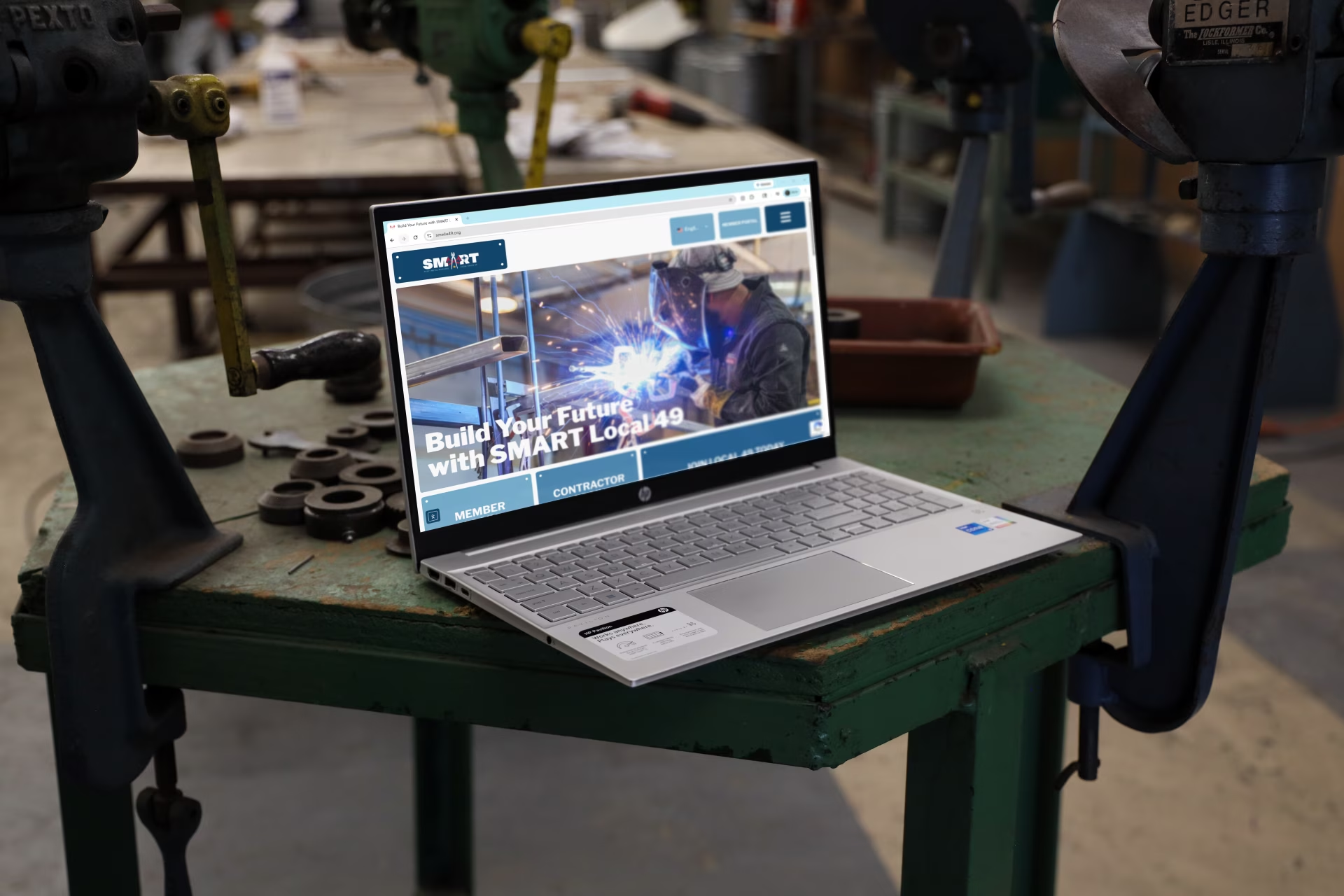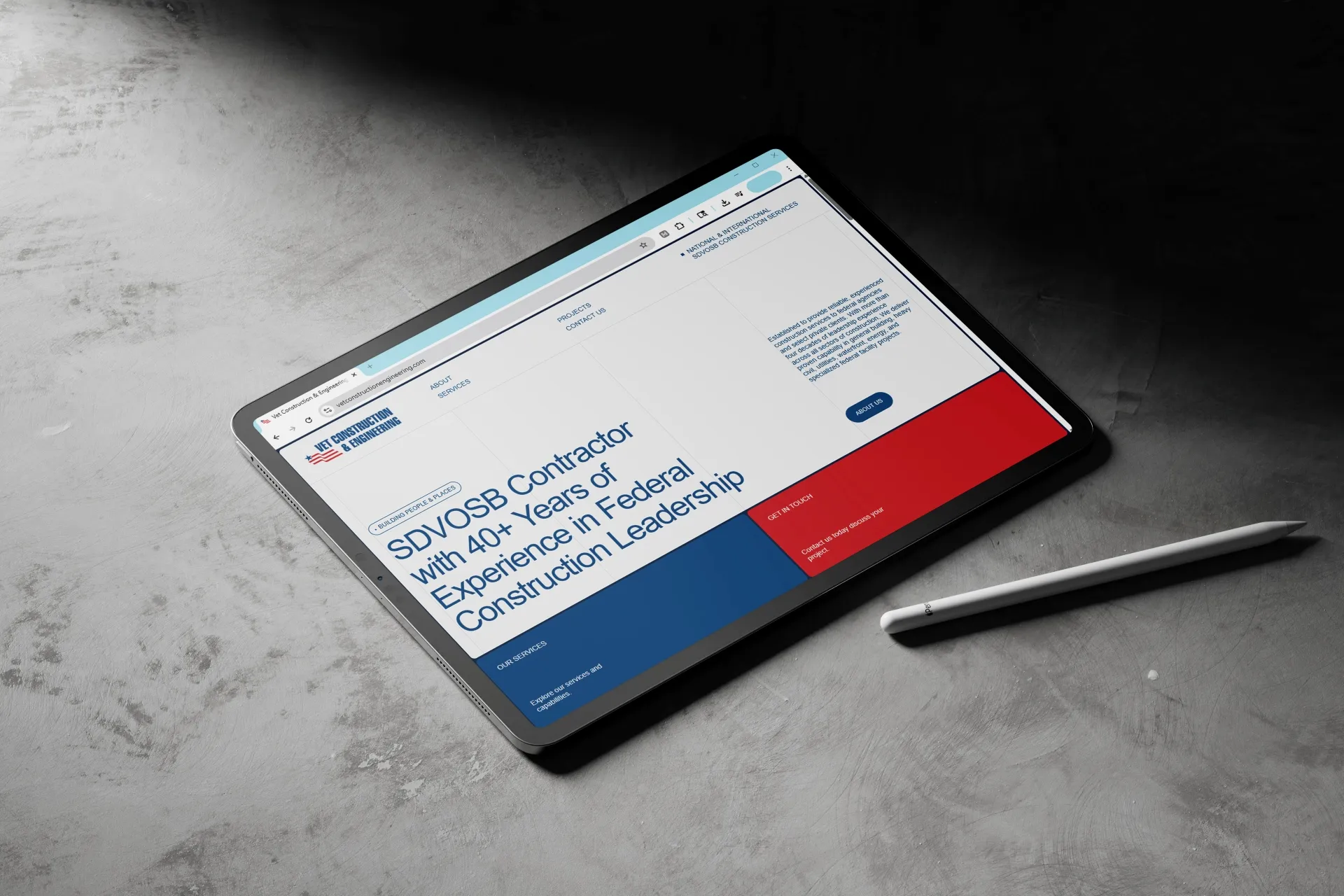
Every firm on a shortlist is qualified. That is what a shortlist means. By the time a client is choosing between three or four AEC firms for a project, they have already confirmed that everyone on the list can technically do the work. Licenses are current. Insurance is in order. The portfolio shows relevant experience. Nobody gets eliminated at that stage for being unqualified.
So the decision comes down to something else. Here is what that something else actually is, based on what we see repeatedly across architecture, engineering, and construction clients.
Clarity Beats Comprehensiveness
Firms that can say exactly what they do and who they do it for get chosen more often than firms that can technically do everything. This feels counterintuitive to a lot of AEC leadership, because the instinct is to present the firm as capable of handling anything the client might need. In practice, a client evaluating three similarly qualified firms is drawn to the one that sounds like it was built specifically for their kind of project. Not the one that sounds like it could handle any project.
This shows up constantly in proposal language. "We provide full-service architectural design" reads as safe and forgettable. "We design healthcare facilities for regional hospital systems that need to stay operational during construction" reads as specific and confident. The second version will lose some work. It will also win the work it is aimed at, more consistently, because the client reading it feels like the firm already understands their situation.
The First Impression Happens Online, Not in the Room
By the time a client meets your team, they have already looked you up. They have formed an opinion based on your website, your project photography, and how your firm talks about itself before any human interaction happens. That first impression sets the frame for everything that follows in the actual meeting.
A firm with outdated project photos and vague language on their homepage is starting the in-person conversation from behind, even if the team in the room is excellent. A firm whose website already communicated exactly what makes them different is starting from ahead. The meeting becomes confirmation of something the client already believed, rather than the moment the client is forming their opinion for the first time.
The Firm That Explains "Why" Wins Over the Firm That Lists "What"
Clients evaluating a shortlist are trying to answer one real question: why should I trust this firm with something this expensive and this consequential. A list of past projects answers a different question. It shows what the firm has done. It does not explain why the firm approaches the work the way it does, or what a client should expect from working with them specifically.
The firms that win consistently are the ones that can articulate their actual point of view. Not a mission statement. A specific stance on how the work should be done, why that approach produces better outcomes, and what a client gives up if they choose someone with a different approach. That kind of clarity is rare in AEC marketing, which is exactly why it stands out when a firm actually has it.
Referrals Get You the Meeting. Positioning Gets You the Decision.
Most AEC firms grow through relationships and referrals, and that will always matter. But a referral gets a firm into the room. It does not automatically win the project once other qualified firms are also in the room. Once you are being evaluated alongside competitors, the referral has done its job, and what happens next depends on how clearly the firm can differentiate itself from that point forward.
This is the gap that costs firms work without them ever realizing it. They assume the relationship will carry them through, and sometimes it does. But in any situation where the client is doing real due diligence across multiple firms, a strong relationship with unclear positioning loses to a slightly weaker relationship paired with a firm that clearly articulated why they were the right choice.
The Practical Takeaway
If you want to understand why you are losing work to firms whose output is not obviously better than yours, the answer is rarely about the work itself. It is almost always about how clearly the firm communicated what made them different before the client ever had to ask.
See how Fairbuilt helps AEC firms build that clarity
Start a conversation