Tru Form Tiny
A luxury tiny home builder with an exceptional product but a website that was costing them sales. Through strategic positioning, brand refinement, and website strategy, we rebuilt the buyer journey and transformed the site into a lead qualification tool that attracts better-fit clients.
The Project
Website Design & Development
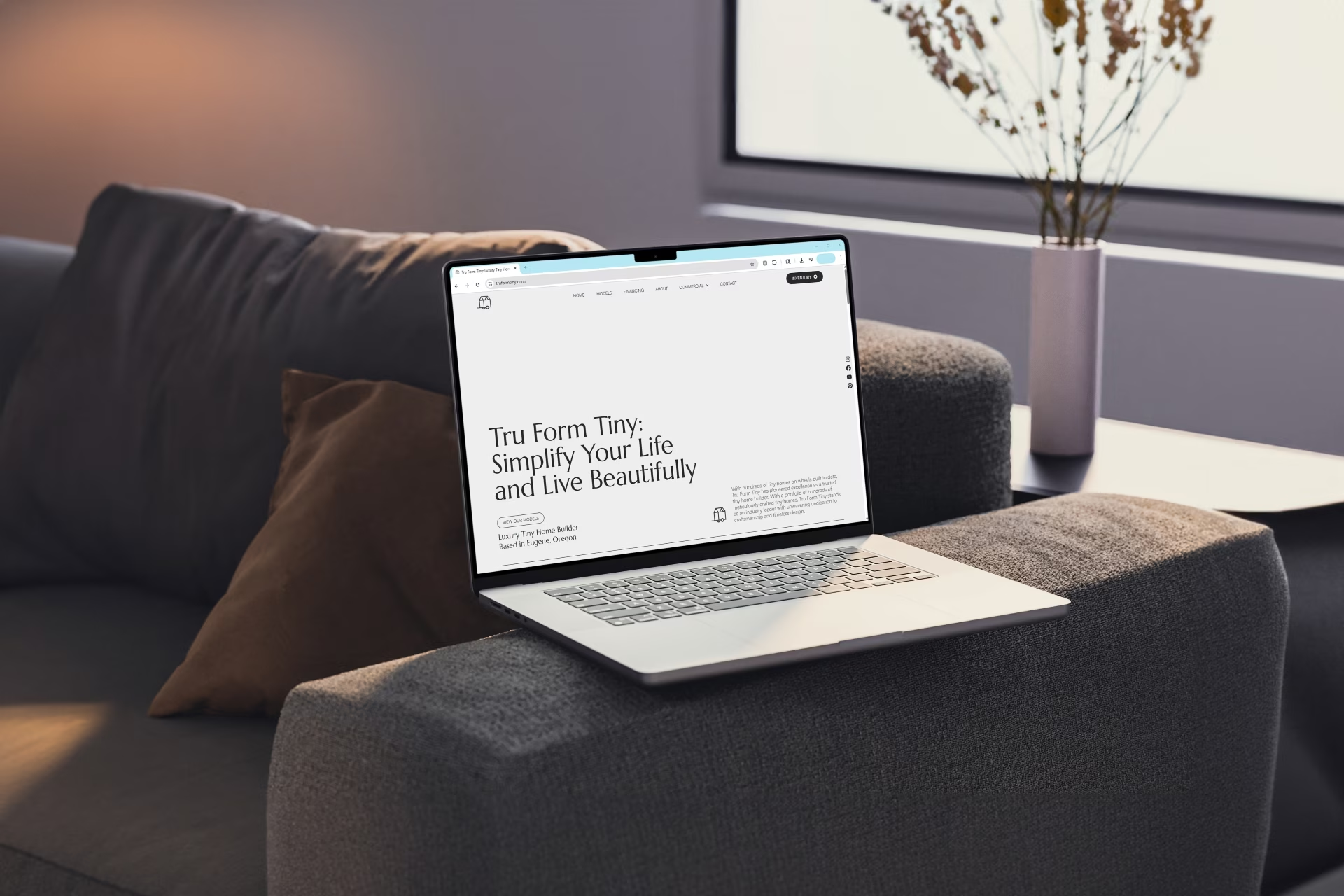
Tru Form Tiny, a Eugene, Oregon luxury tiny home builder, builds some of the most thoughtfully designed tiny homes in the country. Their craftsmanship was exceptional. Their reputation within the industry was well established. But their website failed to communicate either.
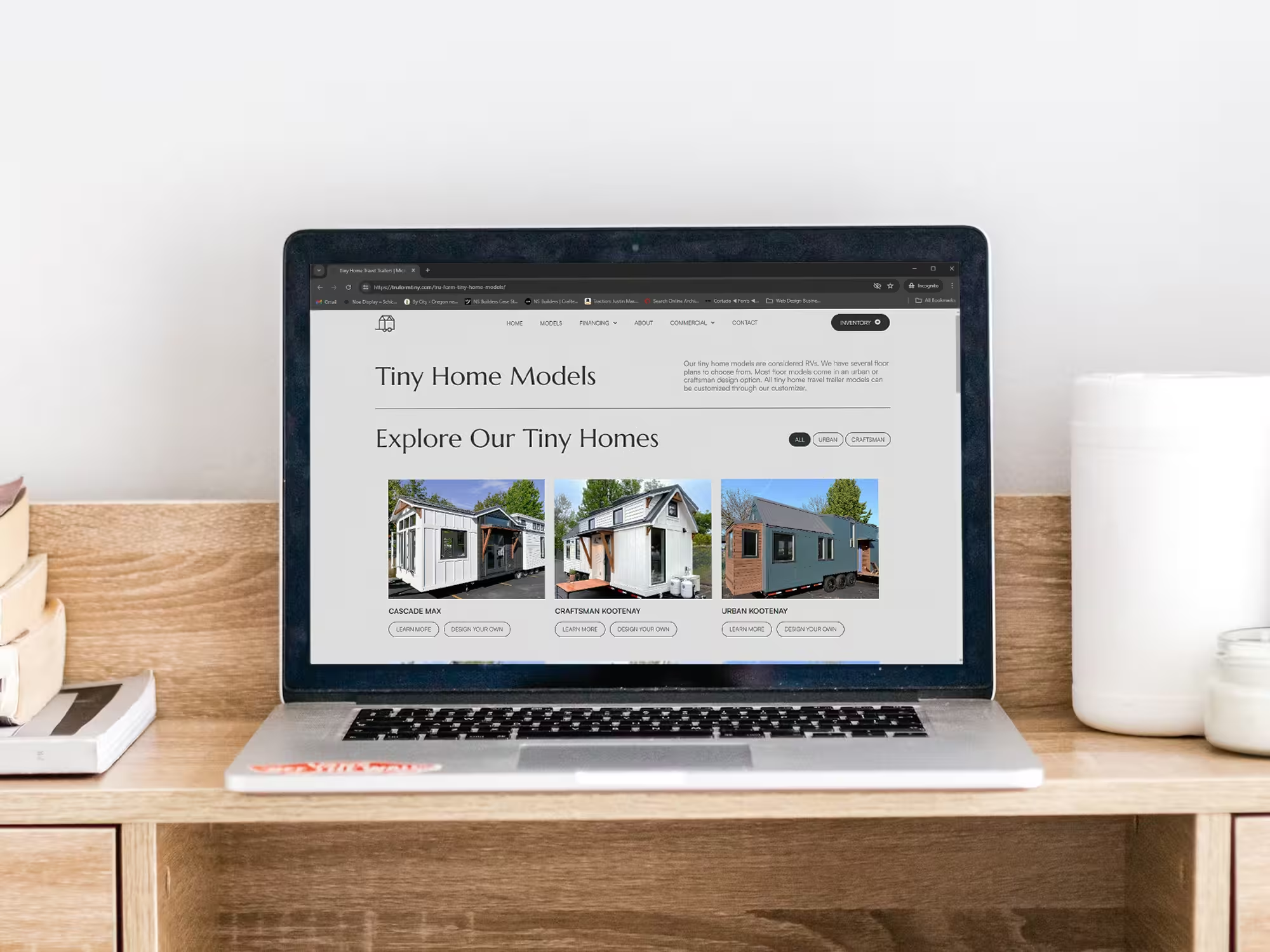
The previous site looked and functioned like countless other builder websites, making it difficult for prospective buyers to understand why Tru Form Tiny was different. Navigation created unnecessary friction when comparing models, important information was buried, and the overall experience didn't reflect the premium quality of the homes.
The website was also creating a significant business problem. The sales team was spending hours speaking with prospective buyers who ultimately weren't a good fit because the website wasn't setting expectations around pricing, customization, or timelines before someone reached out.
The challenge wasn't simply designing a better website. It required a thoughtful combination of brand strategy, messaging, and website design that aligned the online experience with the caliber of the homes being built.
Our Approach
Every successful website begins with strategy, not design.
Before creating a single layout, we revisited how Tru Form Tiny should be positioned within the market. They weren't simply selling homes. They were creating beautifully designed living environments for buyers intentionally choosing a different lifestyle. That distinction shaped every decision that followed.
Three strategic priorities guided the project.
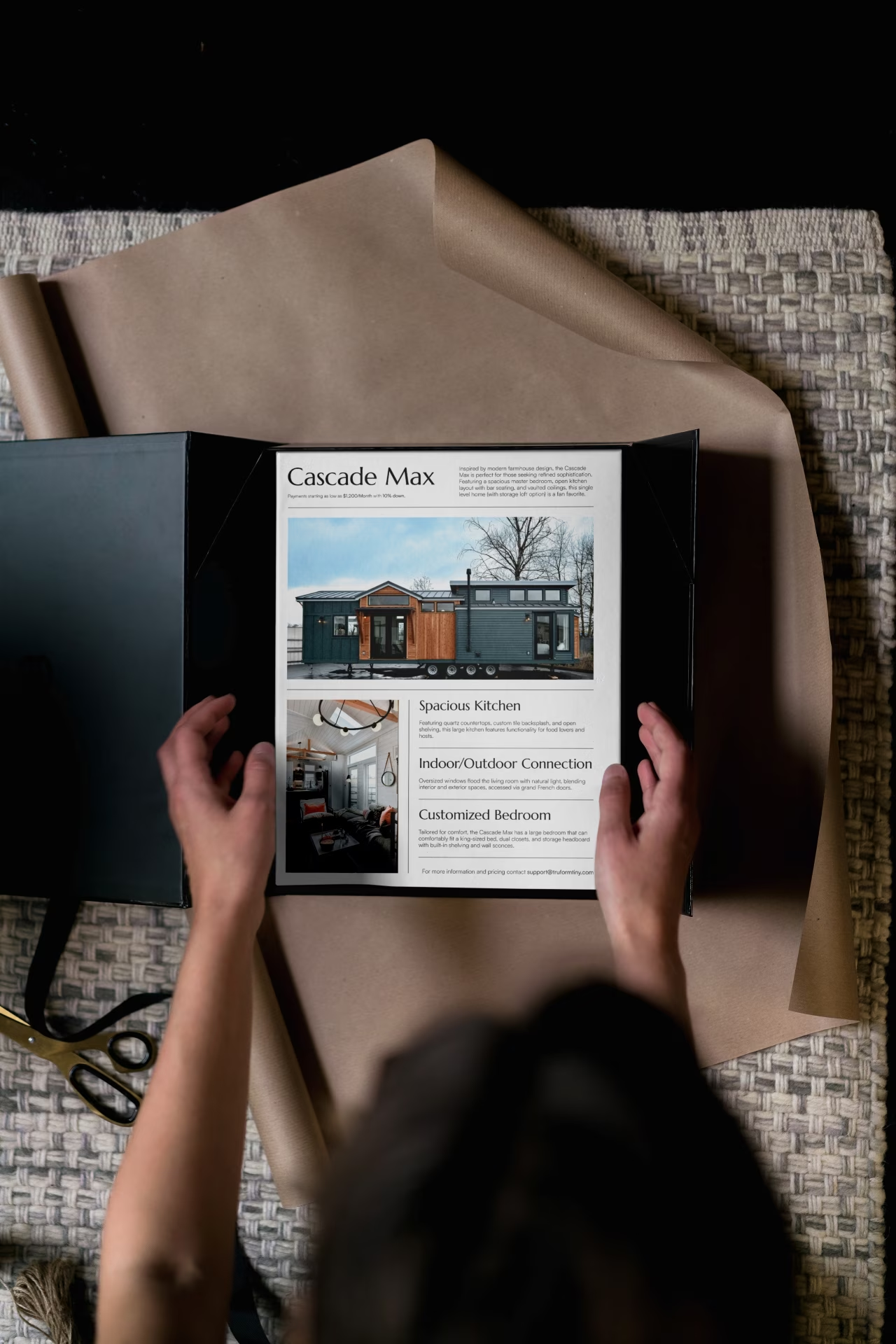
Positioning the brand for the luxury market. We refined the visual direction, messaging, photography, and overall user experience to better reflect the craftsmanship behind every home. The construction company website design needed to feel consistent with the premium investment buyers were making.
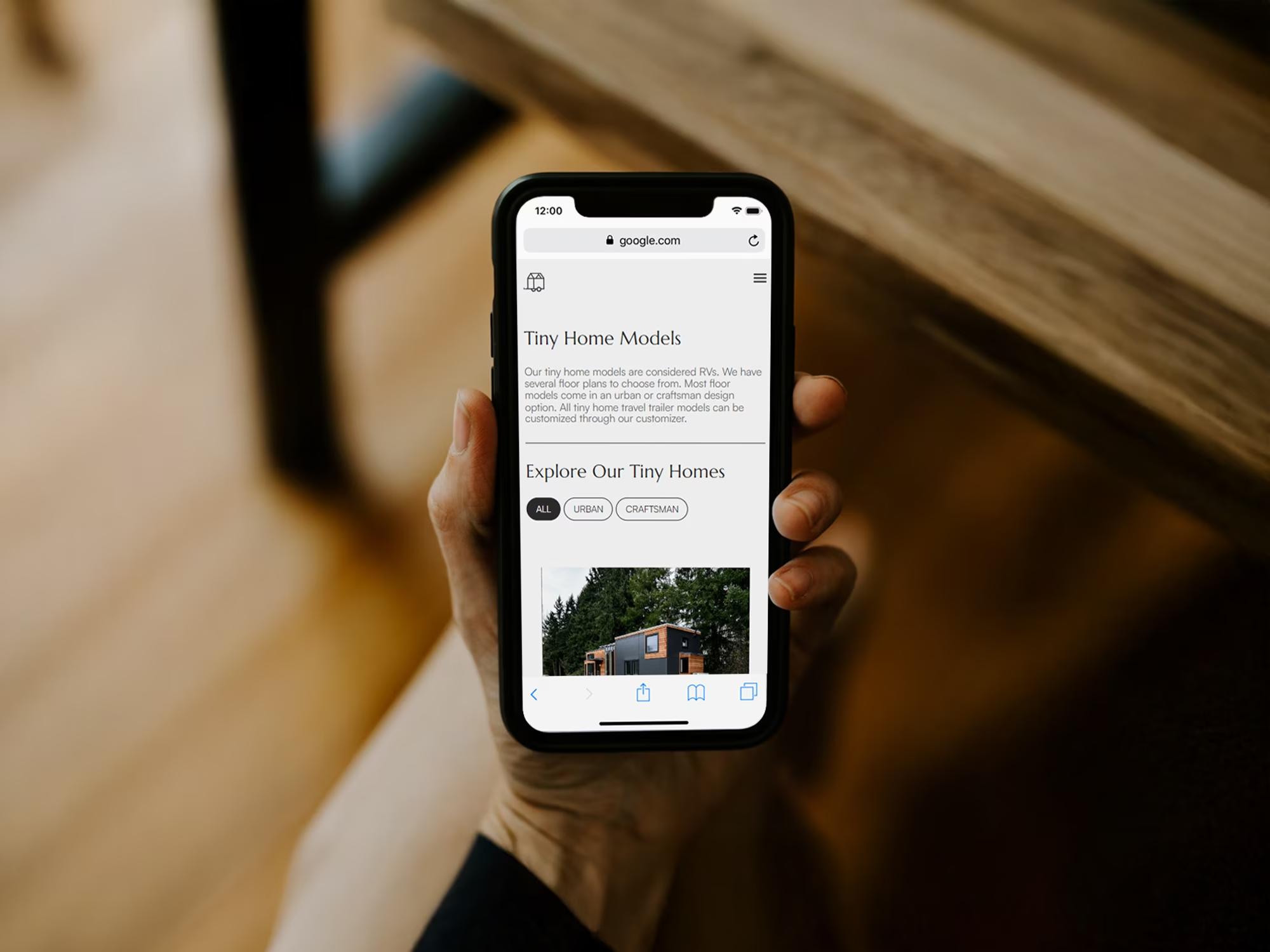
Designing a buyer journey around real purchasing decisions. Through improved information architecture and content strategy, we reorganized the website so visitors could easily explore models, compare options, understand pricing expectations, and educate themselves before contacting the sales team. The result was a smoother experience for buyers and a more efficient sales process.
Building lead qualification into the website itself. Rather than maximizing the number of inquiries, we focused on improving the quality of inquiries. Strategic messaging throughout the site helped prospective buyers determine whether Tru Form Tiny was the right fit before reaching out, creating better conversations and reducing time spent on unqualified leads.
As an AEC website design agency, we believe the best websites don't simply generate traffic, they help businesses attract the right customers.
The Outcome
The finished website positioned Tru Form Tiny as a leader within the luxury tiny home market while fundamentally improving how their sales process operates.
Instead of functioning as a digital brochure, the website now educates prospective buyers, reinforces the premium nature of the brand, and helps qualify leads before they ever schedule a conversation. The sales team spends more time working with serious buyers and less time answering the same introductory questions.
Today, the website continues to evolve alongside the business through an ongoing website care plan. Landing pages, user experience improvements, and conversion opportunities are continuously refined as new insights emerge, ensuring the website remains a valuable business asset rather than a one-time marketing project.
What Changed
- The sales team shifted from spending significant time on introductory calls to working with buyers who had already self-qualified through the site
- Unqualified inquiries dropped after pricing expectations, model options, and timelines were surfaced earlier in the buyer journey
- The website became a living sales tool rather than a one-time build, actively refined each month through the ongoing care plan based on real user behavior and sales team feedback
- Lead quality improved and sales conversations now begin further along in the decision process, reducing the cycle from initial inquiry to serious engagement
- The site continues to evolve as the company grows, with landing page and UX refinements driven by data and direct input from the Tru Form team
This project demonstrates what happens when website strategy, brand positioning, and thoughtful construction website design and development work together. The result isn't simply a better-looking website—it's a digital experience that supports sales, strengthens the brand, and continues creating value long after launch.
Visit the site: truformtiny.com
Looking for Construction Web Design or Construction Branding for your own company? Explore our Construction Web Design and Construction Branding services to see how we help contractors build trust online.
Ready to start a project?
( Related Work )